Roof Repair or Replacement: How to Decide and What Insurance Covers
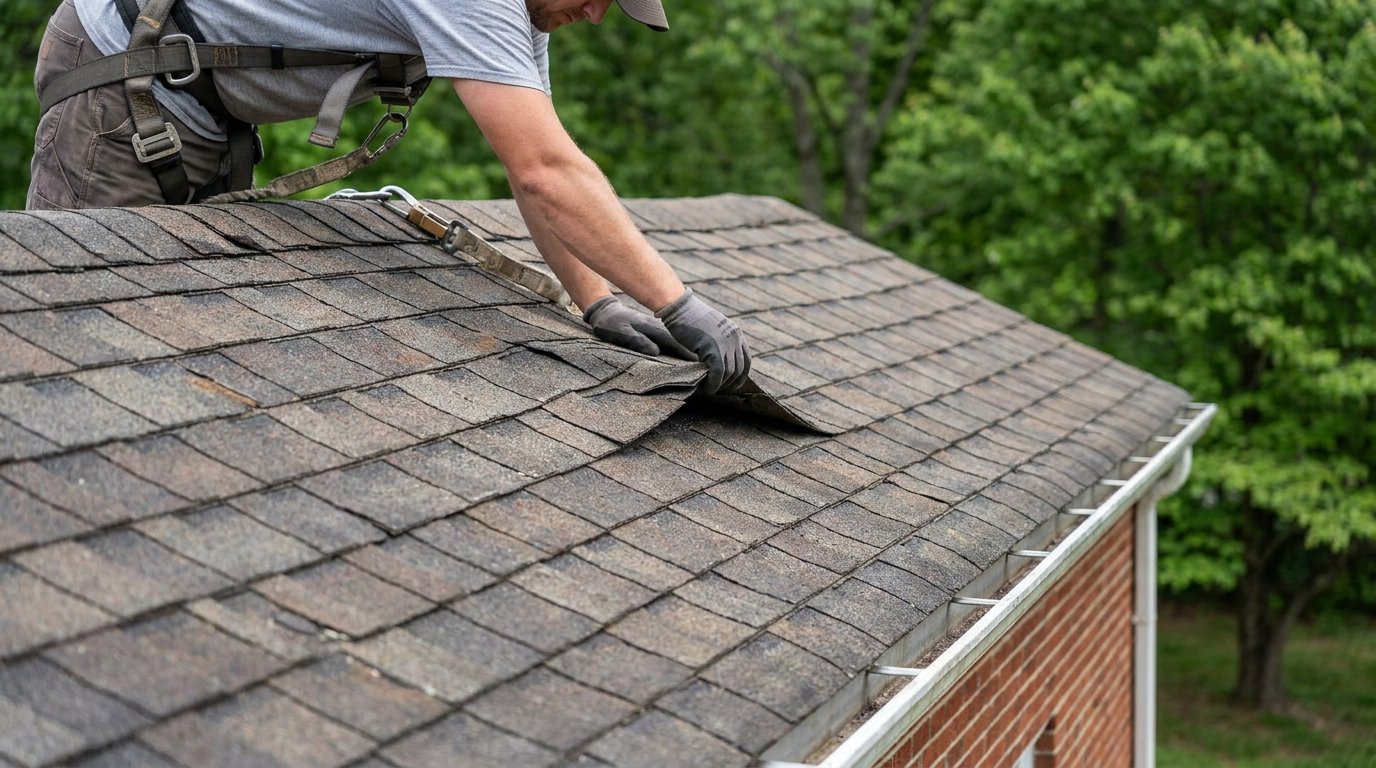
Choose roof repair or replacement based on how far the damage extends and the roof’s overall condition. Isolated damage on an otherwise sound roof may call for a repair, while widespread wear, recurring leaks, or damage beneath the shingles may point to replacement. Homeowners insurance often covers sudden storm damage, but usually excludes normal wear and tear. This article explains how repairs and replacement differ, what can affect insurance coverage, and how shingle type, installation quality, and local weather exposure affect an asphalt roof’s useful life.
Key Takeaways
- Match the scope of work to the damage: isolated problems may call for a repair, while widespread wear or recurring leaks can point to replacement.
- Separate storm damage from ordinary aging when considering insurance coverage; the cause of the damage matters.
- Use the roof’s age, condition, and local weather exposure to judge how much useful life may remain in asphalt shingles.
- Compare the likely durability of a repair with the condition of the rest of the roof before deciding on the next step.
Table of Contents
Does Homeowners Insurance Cover Roof Damage?
Homeowners insurance often covers sudden storm damage, but usually excludes normal wear and tear. Coverage depends on the cause and extent of the damage and your policy terms. A storm-damaged section may be treated differently from shingles that have gradually become brittle with age. Documenting the damage can help you explain what happened when you report a claim.
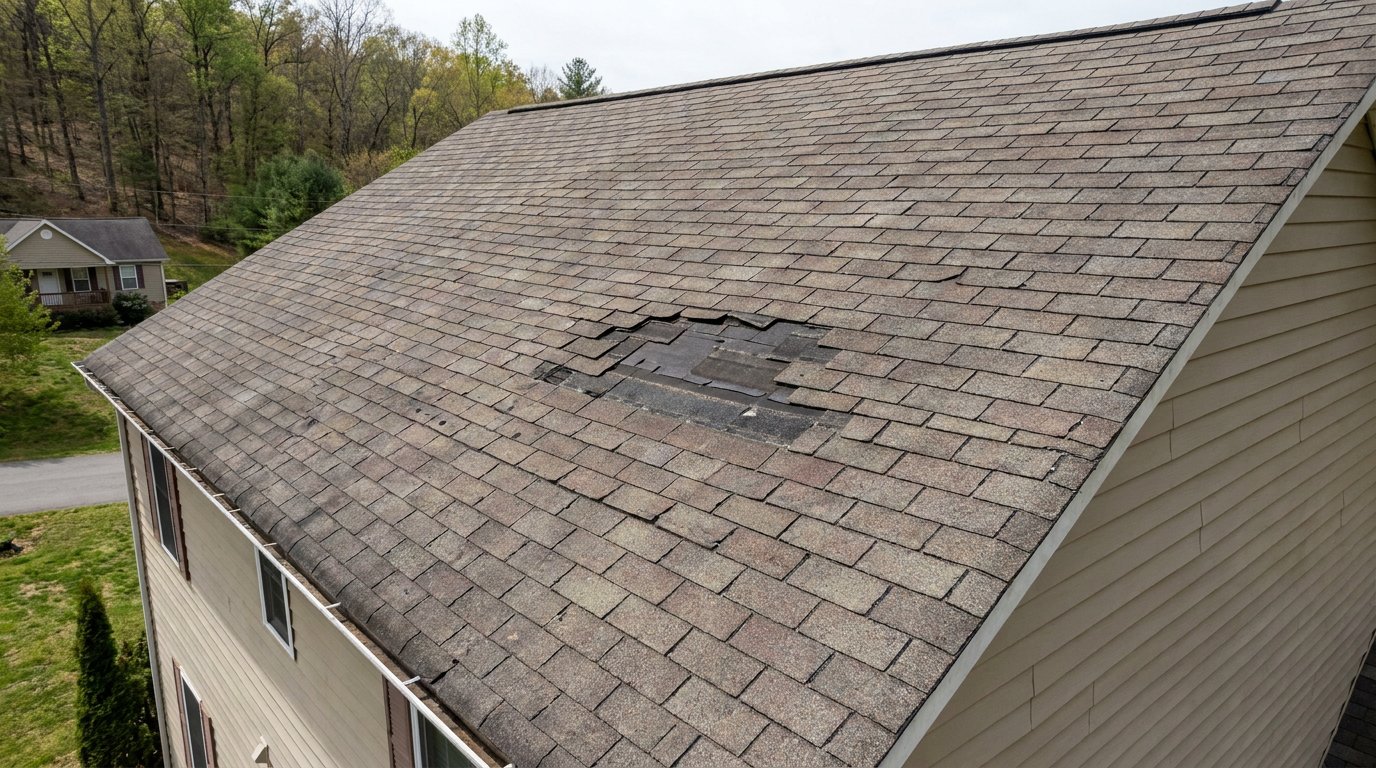
Look beyond the visible surface. A few missing shingles in one area, with sound roofing around them, may be repairable. Curling, cracked, or brittle shingles across several slopes suggest broader wear. Missing granules or bald spots can also signal deterioration. Inside, a ceiling stain indicates water intrusion, but the roof surface and decking need inspection to identify its source and extent.
| Option | Damage pattern | Signs to consider | Likely approach |
|---|---|---|---|
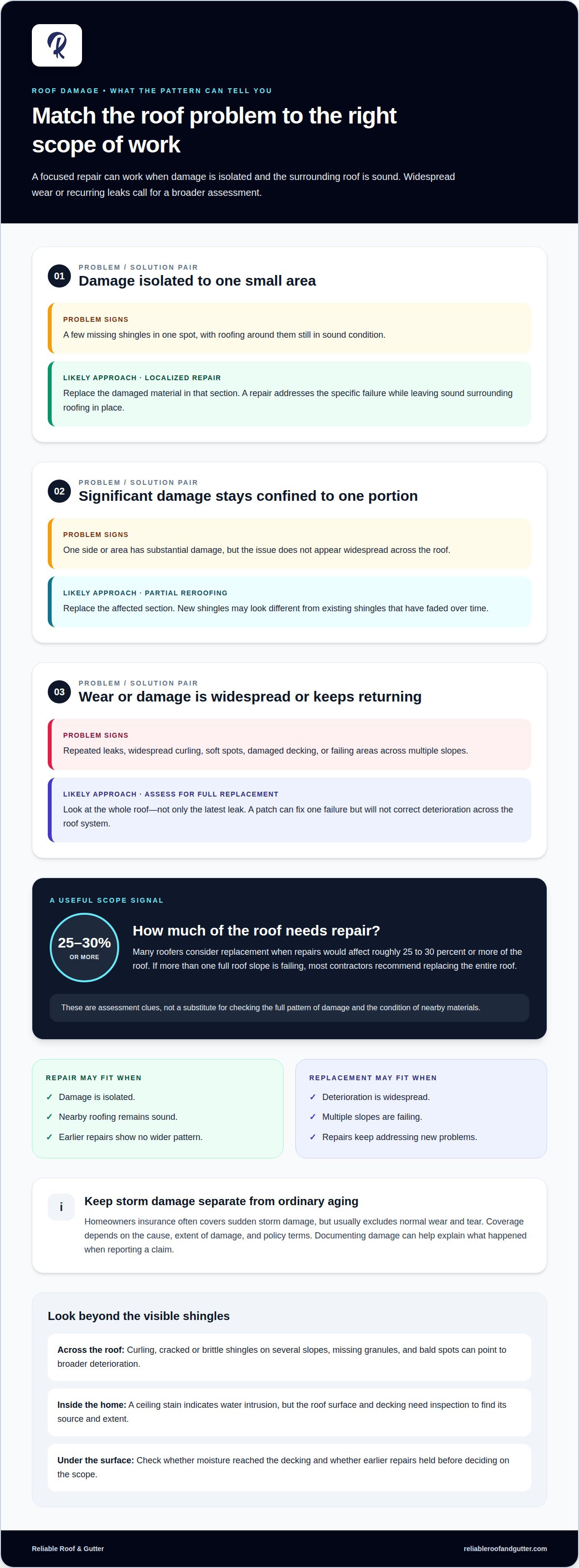
| Localized repair | One small area | Isolated missing shingles; surrounding material remains sound | Replace damaged material in that section |
| Partial reroofing | One side or area | Significant damage stays confined to a portion of the roof | Replace the affected section; new shingles may look different from faded existing shingles |
| Full replacement | Widespread or recurring damage | Repeated leaks, widespread curling, soft spots, or damaged decking | Assess the whole roof, not just the latest leak |
Base the decision on the damage pattern, nearby materials, and whether moisture has reached the decking. A patch can address one failure, but it won’t correct widespread deterioration. Recurring leaks after earlier repairs are a reason to assess the entire roof.
Do I need a permit to repair or replace my roof? Permit requirements depend on your city or county and the scope of work. Local rules may treat a small repair differently from a replacement or work involving damaged decking.
What roofing permits and code requirements vary by state or city? Local requirements for permits, inspections, and applicable building codes can differ. The project’s location and scope determine which rules apply.
How long does professional roof replacement take, and what are the steps? Most roofs are completed in one to two days. The crew removes the existing roofing, inspects the decking, addresses damaged areas, installs the new roofing system, and cleans the work area.
Roof repair vs replacement: what is the difference?
A repair corrects a specific failure; replacement renews roofing across a wider area. The roof repair or replacement decision comes down to whether the surrounding system can continue protecting your home after the damaged section is fixed.
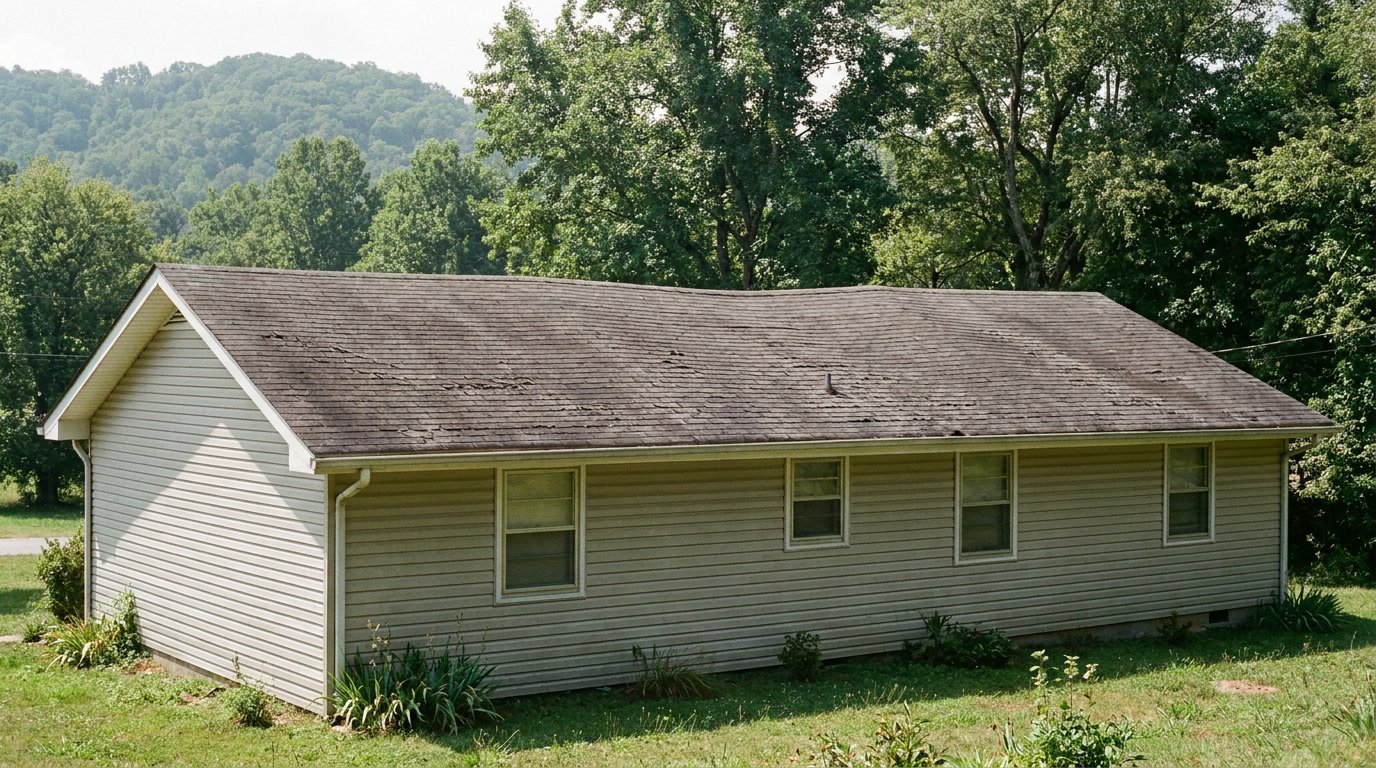
For roof repair or replacement, the damage pattern matters. Isolated damage may suit a repair, while widespread deterioration can leave failing areas untouched if only the visible problem is fixed. Many roofers consider replacement when repairs would affect roughly 25 to 30 percent or more of the roof. If more than one full roof slope is failing, most contractors recommend replacing the entire roof.
Scope matters as much as appearance. Granules missing from one small area are different from bald spots across several slopes. An inspection should trace water entry, assess flashing and underlying materials, and determine whether earlier repairs held. Wet insulation beneath a low-slope roof may also point toward replacement rather than another surface patch.
Use these criteria to weigh the two paths:
- Repair: Damage is isolated, nearby roofing remains sound, and earlier repairs show no wider pattern.
- Replacement: Deterioration is widespread, multiple slopes are failing, or repairs keep addressing new problems.
Consider how well each option addresses the overall pattern of failure. Repeated patches may leave weak sections in place, while replacement renews a broader portion of the roof. Review warranty documents before work begins, since the proposed scope and details of prior installation may matter. Keep photographs and a written description of the work for your records.
The practical takeaway is to match the scope to the full pattern of failure. A professional assessment can show whether one section needs attention or the roof system is failing more broadly. Schedule a roof assessment to review the damage and next steps.
How long does an asphalt shingle roof last in the Carolinas?
Asphalt shingle roofs typically last about 15 to 30 years. Shingle type, installation quality, and weather exposure all influence where a roof falls within that range. When homeowners in our service area of Shelby, Charlotte, Gastonia, Lincolnton, and Forest City evaluate their options for a roof repair or replacement, local weather patterns play a major role in shingle longevity.
Use the roof’s age as context, not as a fixed deadline. Its age and documented installation history can make an inspection more useful.
Asphalt Shingle Roof Lifespan
The 15-to-30-year range describes typical asphalt shingle life, not a guarantee for each roof. Installation quality and exposure affect how the shingles perform over time. The roof system also includes underlayment, so an inspection by Reliable Roof & Gutter should consider more than the visible shingle surface.
Keep records of installation and past roofing work with your home documents. They can help establish the roof’s age and give an inspector useful context for visible wear.
Roof Age and Expected Lifespan
Asphalt shingle roofs older than about 20 years are usually near the end of their useful life. Age alone does not establish the roof’s condition, but it helps put visible wear in context. A documented installation date can make that comparison clearer.
During an inspection, consider the roof’s age alongside its current condition and work history. This gives you a more practical view of its remaining service life than relying on age alone. If the installation date is unknown, records of previous roofing work may help narrow down the timeline.
Reliable Roof & Gutter: Roof Replacement
Reliable Roof & Gutter can help you assess whether your roof needs a targeted repair or a full replacement. A free inspection gives the crew a chance to examine the roof’s condition and explain the recommended scope of work. If replacement is the right fit, the company provides Roof Replacement; Reliable Roof & Gutter is a GAF Certified Plus Contractor, and the work comes with a written 15-year workmanship warranty.
A clear assessment helps you understand what needs attention now and what can wait. Ask for the findings and scope in writing so you can decide with the details in front of you. If your roof shows widespread wear or recurring problems, contact Reliable Roof & Gutter to discuss the next step.
Choose a Clear Next Step
Turn the signs on your roof into a documented plan. Note where leaks appear, when they began, and whether storm damage or gradual wear may be involved. Share those details during an inspection, then review the recommended scope before deciding. For an insurance claim, consider the cause of the damage and your policy terms as you plan the work.
Reliable Roof & Gutter’s roofing team can assess whether repair or replacement is the right approach. Its services include Roof Replacement, Metal Roof Installation, and Metal Roof Repair, providing options for different roofing needs. A clear written scope helps you understand what work is proposed and why.
If you’re still weighing roof repair or replacement, take the next step with the details you have. Contact Reliable Roof & Gutter to discuss your roof and move toward a sound decision.
Frequently Asked Questions
What is the biggest sign I should replace instead of repair?
A visibly dipping roofline is a serious warning that the roof structure may need broader work. A professional can assess from inside the attic whether the roof framing or sheathing has changed shape. The key is to determine whether the issue affects the structure, not just the outer roofing material. Don’t treat a pronounced dip as a shingle-only problem.
Does ponding water mean I need flat roof replacement?
Not by itself. On a flat roof, water collecting in the same place can point to a drainage or slope issue, but it doesn’t determine the full remedy. Note where water remains after rain and whether it appears near a drain or roof edge. A professional can assess the drainage path, surface, and seams to identify the source.
What if I can’t afford a full replacement right now?
Ask for a written scope that separates urgent work from items that can be planned later. Reliable Roof & Gutter offers financing through Hearth, which may give eligible homeowners another way to manage a project. Keep active leaks and exposed areas in mind, since water entering the home can damage interior finishes. Base your decision on the documented work, not pressure.
Will a new roof actually increase my home value?
A new roof can make a home’s condition easier for a prospective buyer to understand, especially when you retain records of the installation and materials. It doesn’t guarantee a particular appraisal or sale result. If you plan to sell, keep the project paperwork with your other home records so buyers can see what was done and when.
How do I know whether my roof needs repair or replacement?
Look for a clear professional assessment that connects each reported problem to its location on the roof. For example, a leak near one roof opening differs from water appearing in separate rooms. Ask for findings that explain the observed pattern and proposed scope in plain language. This gives you a useful basis for understanding the recommendation.
What should a roof repair or replacement scope include?
A repair addresses a defined area, while replacement covers a broader portion of the roofing system. The project scope depends on roof size, slope, materials, and any underlying damage. For a clear comparison, review what each written scope includes, such as material removal, replacement materials, decking work, flashing, and cleanup.

Article by
Jeff Walsh
Jeff Walsh is the owner of Reliable Roof & Gutter, serving homeowners across the Carolinas and East Tennessee. He stays hands-on with his crews and believes in honest inspections, clear pricing, and practical recommendations. Jeff’s approach is simple: explain what’s happening, what your options are, and whether a repair or replacement makes the most sense, without pressure or unnecessary work.