How to Tell If a Roof Needs Replacing: Repair or Replace
For homeowners around Shelby, NC, a roof that’s at least 20 years old or looks worn may need replacing, but age alone doesn’t settle whether repair or replacement makes sense. Knowing how to tell if your roof needs replacing starts with the pattern of damage: isolated trouble may be repairable when the decking is sound and the fix can fit the existing roof, while repeated leaks, widespread shingle wear, or sagging point to a larger problem. You’ll learn what roof age and visible warning signs can tell you, what an inspection can uncover beyond the surface, and how structural damage changes the decision, so you can weigh the options with a clearer picture of what your home needs.
Key Takeaways
- Use the pattern of damage, not age alone, to weigh a targeted repair against replacement.
- A professional inspection can reveal issues beyond visible shingle wear and help clarify the next step.
- Treat a sagging or wavy roofline as a serious warning that needs prompt attention.
- Roof lifespan varies by material and installation, so identify what you have before judging its remaining service life.
Table of Contents
1. Is it better to repair or replace a roof?
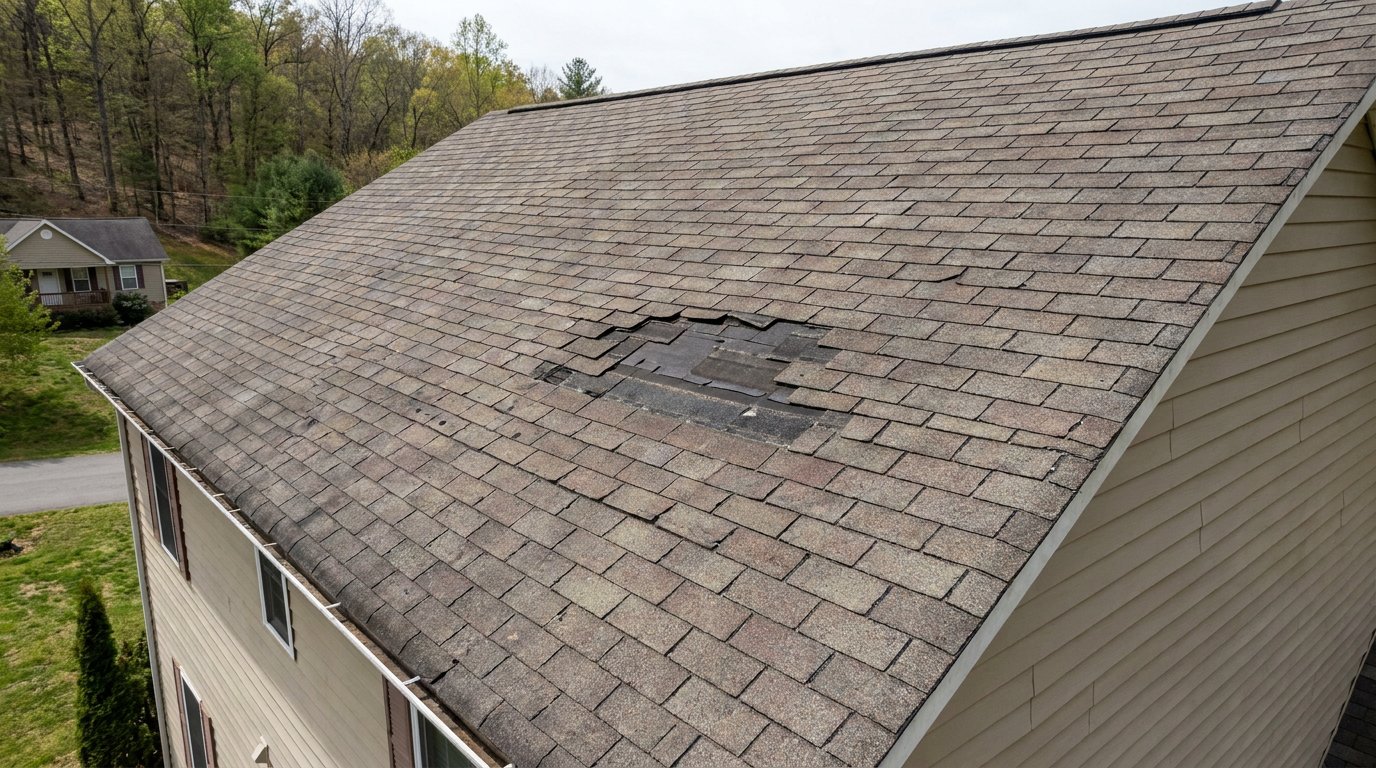
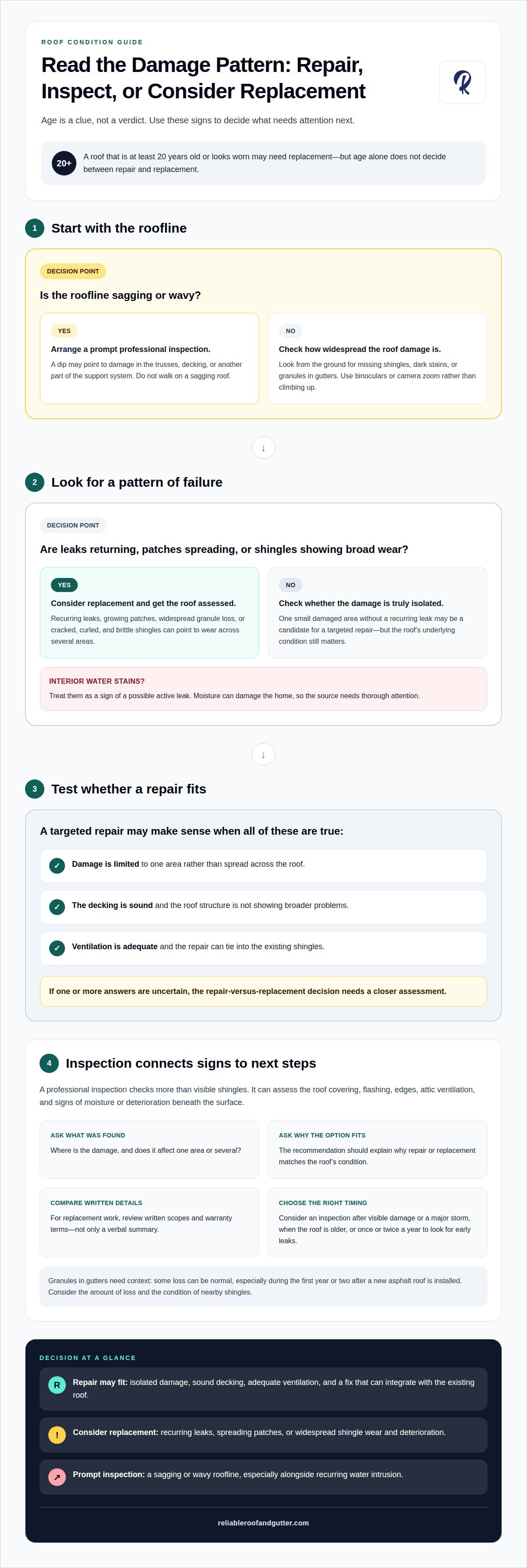
A roof that is at least 20 years old or looks worn may need replacement, but age alone doesn’t decide the issue. A repair can make sense when damage is isolated, the decking is sound, ventilation is adequate, and new shingles can be integrated with the existing roof. For example, a small damaged area with no recurring leak may call for a targeted fix rather than a full replacement.
Repeated repairs deserve a closer look. If leaks return in different rooms, patched areas keep growing, or stains reappear after rain, the problem may extend beyond one damaged shingle. Widespread granule loss, cracked or curled shingles, and brittle roofing material can also point to wear across the roof rather than one isolated spot. To tell if your roof needs replacing, look at the pattern: one repairable area is different from signs of failure across several parts of the roof.
- Repair: Damage is limited, the roof structure is sound, and the repair can tie into the existing shingles.
- Consider replacement: Leaks recur, patches are widespread, or shingles show broad wear and deterioration.
- Address promptly: Water stains inside can indicate an active leak. Roof leaks need thorough attention because moisture can damage the home.
Roof size and material affect the work involved: a larger roof needs more coverage, and each material has its own installation requirements. The roof’s shape, existing layers, and the condition beneath the shingles also help determine the project’s scope.
Homeowners insurance may cover replacement when damage results from a sudden, accidental event, such as hail, wind, or a fallen tree. It generally doesn’t cover deterioration from normal aging or lack of maintenance, so the cause of the damage matters.
Don’t base the decision on one loose shingle or a small patch of growth. Consider the roof’s age, the spread of wear, recurring leaks, and the condition of the underlying structure together. If warning signs appear in several areas, an inspection can clarify whether a repair will address the problem or replacement makes more sense.
2. Professional roof inspections
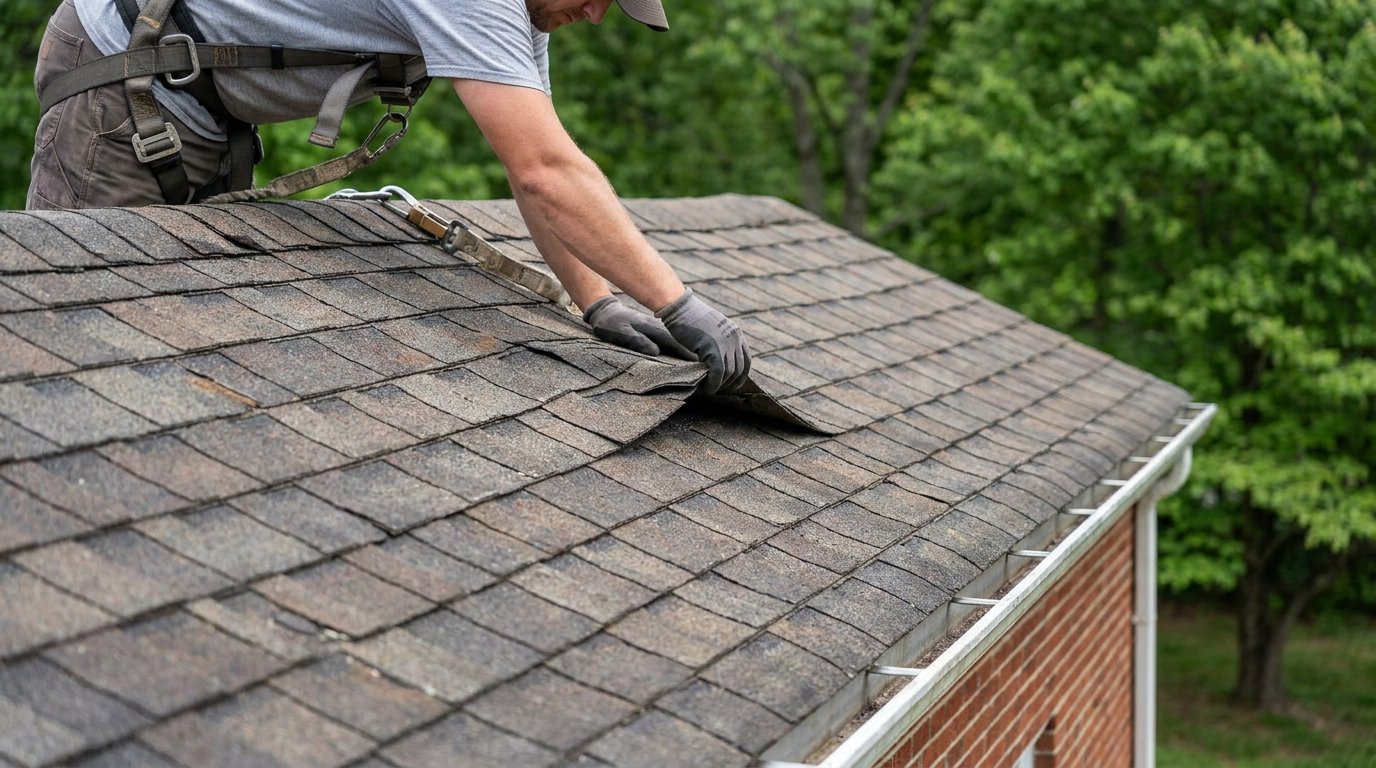
From the ground, you may spot missing shingles, dark stains, or granules collecting in gutters. Use binoculars or a camera zoom instead of climbing onto the roof. A little attic daylight can come through vents or gables, so light alone doesn’t prove roof damage. Compare what you see outside with signs indoors, such as a water stain below a roof slope.
A roofing professional checks more than the visible surface. An inspection can assess shingles, flashing, roof edges, attic ventilation, and signs of moisture or deterioration beneath the covering. Curled shingles may indicate installation problems or poor ventilation, so identifying the cause matters before choosing a repair. Rust also warrants attention: the National Institute for Occupational Safety and Health (NIOSH) describes inspectors observing rust on a metal roof as visible damage.
Timing matters. Arrange a professional inspection after visible damage or a major storm, or when the roof is older. You can also schedule inspections once or twice a year to look for early signs of leaks. Granules in gutters need context: some loss can be normal, especially during the first year or two after a new asphalt roof is installed. The amount of loss and the condition of the surrounding shingles help distinguish ordinary shedding from broader wear.
- Ask for a clear assessment: What damage is visible, where is it, and does it affect one area or several?
- Look for a reasoned recommendation: The findings should explain why repair or replacement fits the roof’s condition.
- Review the written details: For replacement work, compare written scopes and warranty terms, not just a verbal summary.
A sound inspection connects each finding to the next step. If you’ve noticed leaks, loose shingles, or rust, schedule a roof inspection to get a closer assessment without walking on the roof yourself.
3. Sagging rooflines and structural damage
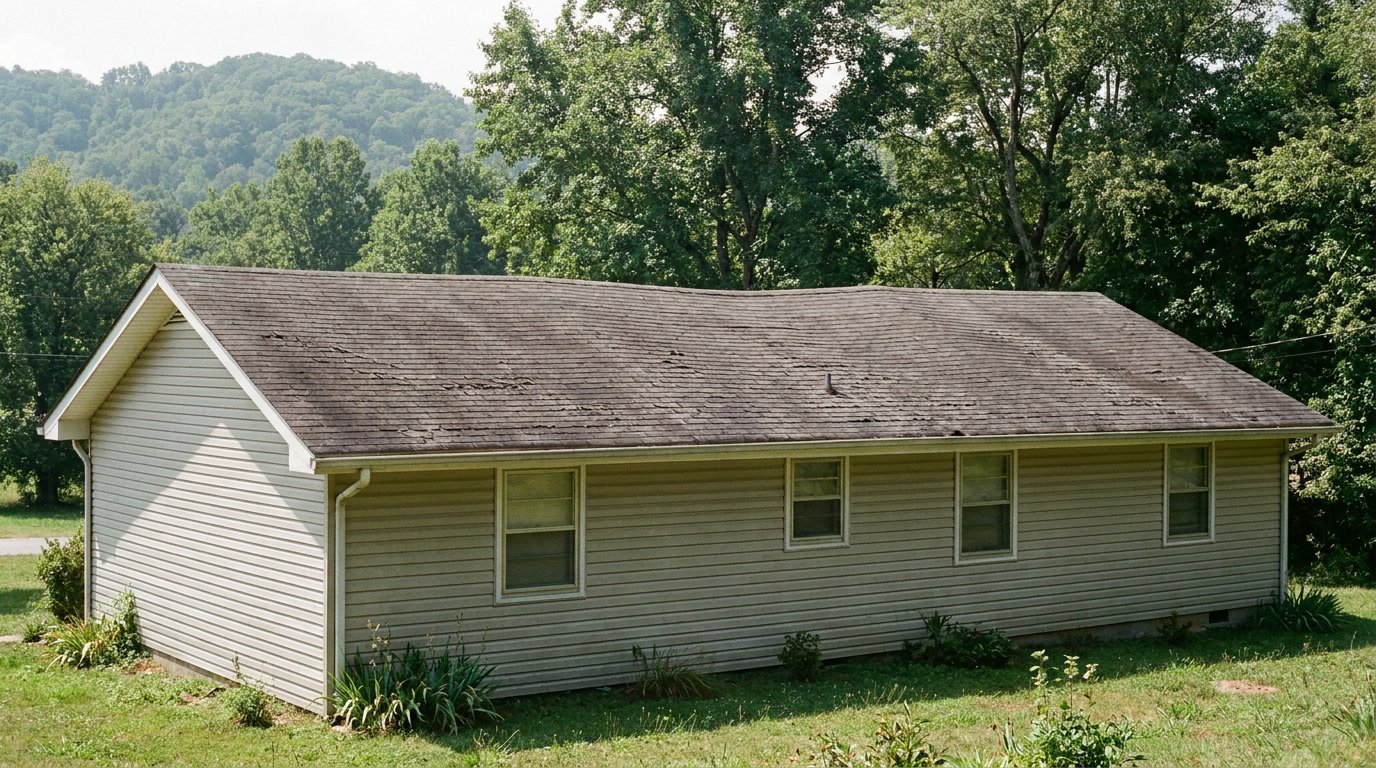
A sagging or wavy roofline is a serious warning sign that needs prompt inspection. It may indicate a damaged truss or deterioration in the roof’s support system, including the decking or the home’s foundation. Unlike one cracked asphalt shingle, a visible dip can point to a structural problem beneath the roof covering. Don’t walk on a sagging roof; have a professional assess it.
A roofing professional distinguishes damage from normal wear by considering its location, spread, and effect on the roof’s structure. Worn shingles may show gradual surface changes, while a sagging area, active leak, or weakened support points to a more serious issue. The inspection also considers whether warning signs are connected, such as a roof dip above a room with ceiling stains.
Moisture can travel from the roof into ceilings, walls, and insulation. Stains or discoloration near a known roof leak can signal water damage, according to the U.S. Environmental Protection Agency. Peeling paint near a ceiling or upper wall may also warrant attention, especially alongside dampness or a roof leak. A stain’s location can help trace where moisture is entering, although water may travel before it appears indoors.
- Check the roofline from the ground: A new dip or wave deserves prompt professional attention.
- Note interior changes: Record where stains, discoloration, or peeling paint appear in relation to the roof.
- Report active leaks: Moisture can damage furniture and appliances, then contribute to structural damage if left unchecked.
Tell the inspector when and where each leak occurred, and mention any visible change in the roofline. These details help connect exterior damage with interior moisture. If sagging occurs alongside recurring water intrusion, the assessment should examine the roof supports and decking, not just the asphalt shingles. A surface patch won’t correct a failing support system; the repair plan needs to address the source of the movement and damage.
4. Roof lifespan by material and installation
Roofing material gives you a useful starting point, not a replacement deadline. Three-tab asphalt shingles typically last 15 to 20 years, while most asphalt shingle roofs last between 15 and 30 years. The difference can reflect the shingle type, local weather, maintenance, and installation quality.
An asphalt shingle roof is often considered old at 20 years, but age alone doesn’t prove it needs replacement. Three-tab shingles may reach the end of their typical lifespan sooner than architectural shingles, which typically last 25 to 30 years. Visible wear and inspection findings help show whether the roof still protects the home.
- Three-tab asphalt shingles: Typically last 15 to 20 years.
- Architectural shingles: Typically last 25 to 30 years.
- Metal roofing: Typically lasts 40 to 70 years.
- Clay or concrete tile: Typically lasts 50 to 100 years; slate typically lasts more than 100 years.
Installation can change the timeline. A roof installed over an existing layer of shingles may need replacement after 20 years. Poor ventilation can also affect shingle aging, while regular maintenance helps catch damage before it spreads. Ask about the roof’s installation history if you have records; the material and number of layers help put its age in context.
Weather and upkeep matter, too. Sun, heat, and moisture gradually wear roofing materials, while severe weather, extreme temperatures, or a fallen limb can accelerate aging. A roof can reach the end of its useful life without a major storm or sudden failure. Nearby homes built around the same time may offer a clue, but materials and maintenance can make their condition different.
Notice the roof’s age alongside its current condition. If you’re unsure how the material, installation, and visible wear fit together, request a roof assessment to discuss the next step.
Reliable Roof & Gutter
Reliable Roof & Gutter can help you make sense of visible wear, recurring leaks, and questions about whether repair or replacement is the right next step. Its free inspections give you a chance to have the roof assessed and discuss the findings before deciding what work fits. If the inspection points to a repairable issue, the team can address roof damage; if the roof has widespread wear or structural concerns, it can discuss replacement. The crews are GAF Certified Plus, and completed work comes with a written 15-year workmanship warranty. You’ll have a clearer basis for your decision, without treating roof age alone as the answer. Contact Reliable Roof & Gutter to arrange an inspection.
Make a clear plan for your roof
Before deciding, gather what you know about the roof’s installation and past work. Note when leaks or visible changes began, and keep repair records together. This timeline can help a roofing professional connect current concerns with earlier work and explain the next step. Knowing how to tell if your roof needs replacing means considering how its condition fits its history, not relying on one symptom.
Reliable Roof & Gutter handles Roof Replacement, Metal Roof Installation, and Metal Roof Repair. Its team can assess your roof and discuss a suitable next step, whether you need to address a metal roof issue or plan a replacement. For homeowners in its service area, a free inspection helps clarify the roof’s condition before you decide.
When you’re ready to talk through your roof’s condition, contact Reliable Roof & Gutter. A steady plan starts with a clear conversation about what your home needs.
Frequently Asked Questions
Is it better to repair or replace a roof?
A repair is usually the better fit when damage is confined to one area and the surrounding roof remains serviceable. Replacement makes more sense when problems affect multiple slopes or repairs keep addressing new spots. Damage limited to one section, for example, differs from wear spread across several roof areas. Compare the extent and pattern of damage, not just the latest repair.
What are the signs a roof needs replacing?
Signs that may support replacement include broad bare areas where asphalt granules are gone, blistered shingles with exposed asphalt, and widespread brittleness. Dark streaks alone may come from airborne algae and can be cosmetic, so they don’t prove the shingles have failed. Look for several signs together, such as widespread surface loss and recurring water entry, rather than treating one discoloration as a verdict.
When can roof repairs fix the problem instead of replacement?
A repair can solve the problem when a professional finds one damaged component and sound material around it. For example, localized flashing damage beside otherwise intact shingles may call for a focused repair, while broader deterioration changes the scope. The inspection should relate the recommendation to the surrounding roof and establish whether a repair can address the source without leaving weak transitions.
Can a professional inspect my roof safely from the ground or attic?
Yes. A professional can assess visible conditions from the ground and examine accessible attic areas without asking you to walk on the roof. From inside, the inspection may reveal water marks on decking, deteriorated supports, or moisture patterns beneath a leak. A little daylight near vents or gables can be normal, so the inspector considers it alongside the roof’s construction and other findings.
What roof damage requires immediate attention?
Arrange a prompt assessment if water is actively entering your home, the roofline has newly shifted, or damage follows a fallen limb. Water can reach ceilings, walls, and belongings before its entry point is obvious. If a new ceiling stain appears during rain, note its location and timing. Avoid climbing onto the roof to investigate, especially if its structure appears altered.

Article by
Jeff Walsh
Jeff Walsh is the owner of Reliable Roof & Gutter, serving homeowners across the Carolinas and East Tennessee. He stays hands-on with his crews and believes in honest inspections, clear pricing, and practical recommendations. Jeff’s approach is simple: explain what’s happening, what your options are, and whether a repair or replacement makes the most sense, without pressure or unnecessary work.