Roof Replacement With a Workmanship Warranty: What’s Covered
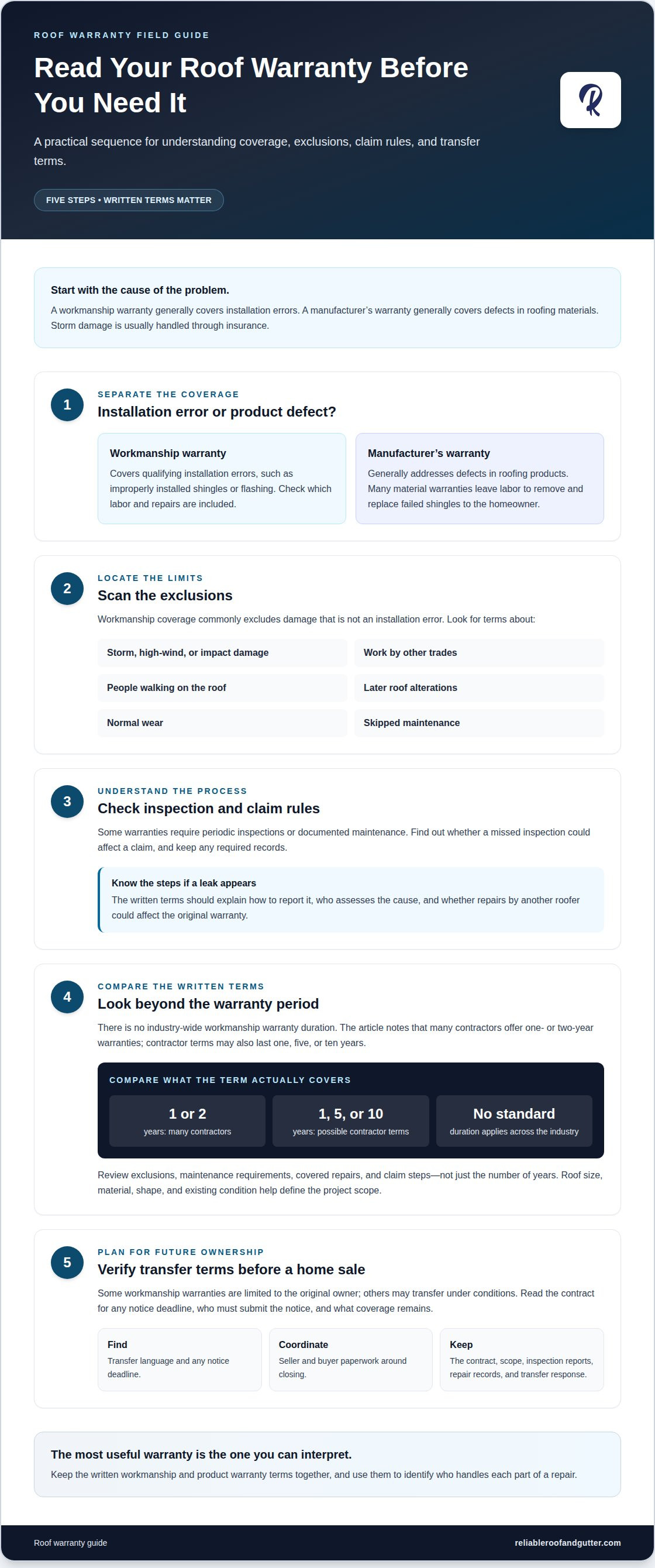
A roof replacement with a workmanship warranty covers installation errors, such as improperly installed shingles or flashing, according to the roofing contractor’s written terms. It is separate from a manufacturer’s warranty, which generally covers defects in roofing materials. Storm damage is usually handled through insurance. Learn how these warranty types differ, which exclusions to review, and how transfer terms may affect coverage when you sell your home.
Key Takeaways
- Review exclusions for storm damage, work by other trades, roof alterations, and skipped maintenance so you know where coverage ends.
- Separate product-defect coverage from protection for installation errors; the written terms explain what labor and repairs each warranty includes.
- Before selling your home, look for transfer rules, including any required timeline or coverage limits.
- Compare material, workmanship, and system warranties by what they cover and exclude, not just by how long they last.
Table of Contents
What is a roofing workmanship warranty?
A roofing workmanship warranty covers problems caused by installation errors, such as incorrectly installed shingles or flashing. Its written terms explain the coverage, exclusions, claim steps, and warranty period. For roof replacement with workmanship warranty coverage, read those terms alongside the project scope to understand which repairs qualify.
Common Coverage Exclusions
Storm, high-wind, and impact damage are commonly excluded because they are not installation errors. Other frequent exclusions include damage caused by other trades, people walking on the roof, later alterations, normal wear, or skipped maintenance. Before work begins, find out which problems the warranty will address and whether it covers damage resulting from an installation issue.
Inspection rules can affect coverage. Some warranties require periodic inspections or documented maintenance. Ask what records to keep and whether missed inspections affect a claim. Also find out how to report a leak, who assesses its cause, and whether repairs by another roofer could affect the original warranty.
Local Warranty Requirements
Workmanship warranty terms vary by contractor, and there is no industry-wide warranty duration. The National Roofing Contractors Association says many roofing contractors offer warranties lasting one or two years, although no industry standard applies. In Shelby, North Carolina, review the written terms for your project rather than assuming the same requirements apply everywhere.
Ask for the warranty terms in the written contract, including exclusions, inspection conditions, and claim steps. For example, if a leak appears near flashing, the document should explain how to report it and how the contractor will assess whether an installation error caused it.
Warranty Duration and Project Details
Workmanship warranties may last one, five, or ten years, depending on the contractor. For example, a five-year warranty covers qualifying installation errors that appear within five years of project completion. When comparing roof replacement with workmanship warranty coverage, review exclusions and required maintenance, not just the warranty period.
The roof’s size, material, shape, and existing condition help define the project scope. Ask which installation errors are covered, what inspections are required, and how claims are handled. Clear written terms help you understand the warranty before work begins.
Manufacturer certifications and extended warranties
A manufacturer’s warranty and a roofing contractor’s workmanship warranty cover different problems. Certification can also affect which extended manufacturer warranties are available for an installed roof.
Workmanship and Material Coverage
A workmanship warranty addresses installation errors, while a manufacturer’s material warranty addresses defects in roofing products. That distinction matters when a leak appears: faulty installation may fall under the contractor’s coverage, while defective shingles may fall under the product warranty.
Many manufacturer warranties cover defective materials but leave homeowners responsible for labor to remove failed shingles and install replacements. Standard product warranties generally do not cover premature failure caused by installation mistakes or defects in other roof components, such as flashing. Read both documents to see which party handles each part of a repair.
Certifications and Extended Coverage
An extended manufacturer warranty may cover more than a basic material warranty, but its conditions matter. Some require a complete roof system with specified coordinating components and installation by a certified roofing contractor. Certification alone does not explain the warranty’s full coverage.
Some extended warranties include labor, tear-off, and disposal, while others have exclusions or prorated coverage after a stated period. Some manufacturer warranties also require documented maintenance or periodic inspections. Review the written terms for covered components, labor, registration, and inspection conditions to understand what the added coverage means for your roof.
Many shingles come with a limited lifetime material warranty, generally tied to how long you own the home. “Lifetime” does not mean every repair is covered for that entire period. Coverage depends on the manufacturer’s exclusions and the cause of the defect. A long product warranty may still leave installation labor outside its protection.
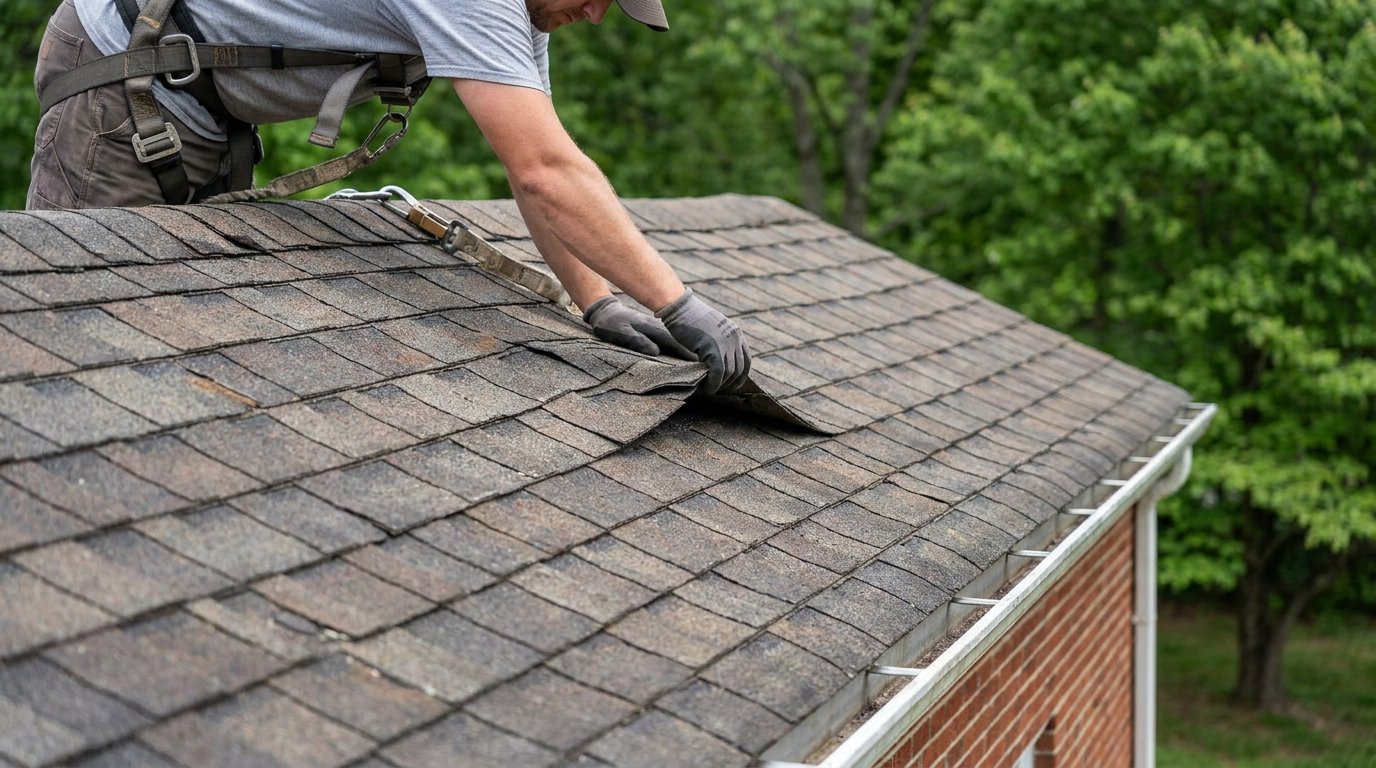
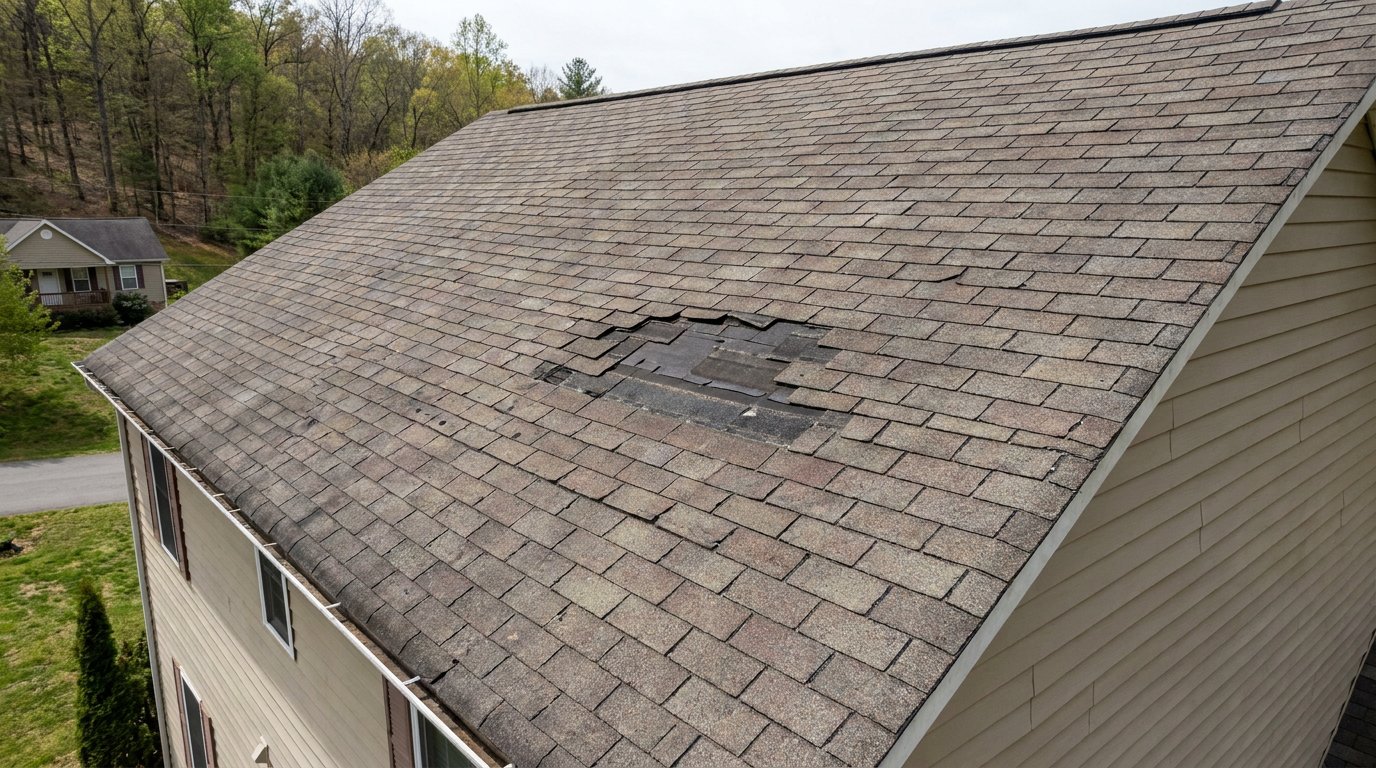
If you suspect a workmanship defect, document its location and visible damage, then contact the original installer. The contractor can assess whether installation caused the problem and determine the appropriate correction if it is covered. Avoid arranging roof work with another company first, as that may complicate a claim with the original installer.
For a roof replacement, review the product warranty alongside the written workmanship terms. See written warranty details before weighing what each type of coverage addresses.
Workmanship warranty transferability when selling a home
A workmanship warranty may transfer to a new homeowner, but the transfer terms depend on the written agreement. Some warranties limit coverage to the original owner, while others allow a transfer subject to a notice deadline or other conditions. For a home sale in Shelby, North Carolina, the warranty document sets out the process and tells the buyer what protection remains.
Start with the roof replacement contract and warranty document. Look for transfer language, any required notice, and who must submit it. A deadline may fall before or after closing, so the seller and buyer should coordinate the paperwork rather than assume the warranty transfers automatically. Keep a copy of the submitted notice and any response with the home’s records.
Subcontracted work can raise a practical question: which contractor is responsible for installation errors? The written warranty and project documents should identify who provides coverage and what work it covers. If a subcontractor installed flashing and a leak later appears there, the warranty terms explain how the claim is handled. Keep the contract, scope of work, inspection reports, and repair records together so the new owner can follow the roof’s history.
When selling, share the warranty document and repair records with the buyer. A past repair or roof alteration can matter if another problem appears, especially when the warranty excludes damage caused by other work. Clear records help distinguish an earlier correction from a new issue and show whether required maintenance or inspections were documented.
Before closing, identify the transfer steps and who is responsible for sending notice. If the document requires the original homeowner to notify the contractor, complete that step within the stated timeline and retain proof. The buyer should receive the warranty terms, transfer confirmation, and available roof records. These details clarify whether coverage continues, which exclusions still apply, and how to report a covered workmanship issue after ownership changes.
Three main types of roofing warranties
Roofing warranties usually fall into three groups: material, workmanship, and system coverage. Each addresses a different type of failure, so the written terms matter more than the headline warranty period. A shingle defect, an installation error, and a problem involving several roof components may follow different claims processes.
Material warranties
A manufacturer’s material warranty covers defects in products such as shingles. Many shingles carry a limited lifetime warranty, generally for as long as the original homeowner owns the home. That wording describes the warranty period, not automatic coverage for every repair.
For example, a shingle that fails because of a product defect may qualify for a manufacturer claim. Standard material warranties often leave labor for removal and replacement outside their coverage. Check whether the written terms include labor, prorating, and other roof components, such as flashing.
Workmanship warranties
A workmanship warranty addresses errors caused by installation, rather than defects in the roofing product. If shingles were installed incorrectly and that error leads to a leak, the contractor’s warranty terms determine what correction is available. Ask how to report a claim and what evidence the contractor uses to assess its cause.
These terms can differ from manufacturer warranties, even when both apply to the same roof. Keep each document with the contract so you can tell which party handles a particular failure.
System warranties
A system warranty can cover a manufacturer’s coordinated roofing components under one set of terms. Eligibility may depend on using specified materials and a certified contractor. Some system warranties offer up to 50 years of non-prorated coverage, though the covered components and exclusions still depend on the written agreement.
Compare the three types by matching a possible problem to the relevant warranty. For a shingle defect, review material coverage. For an installation error, review workmanship terms. For a roof system claim, check required components, certification conditions, and registration steps. This comparison gives you a clearer understanding of what each warranty addresses.
Reliable Roof & Gutter: Roof Replacement
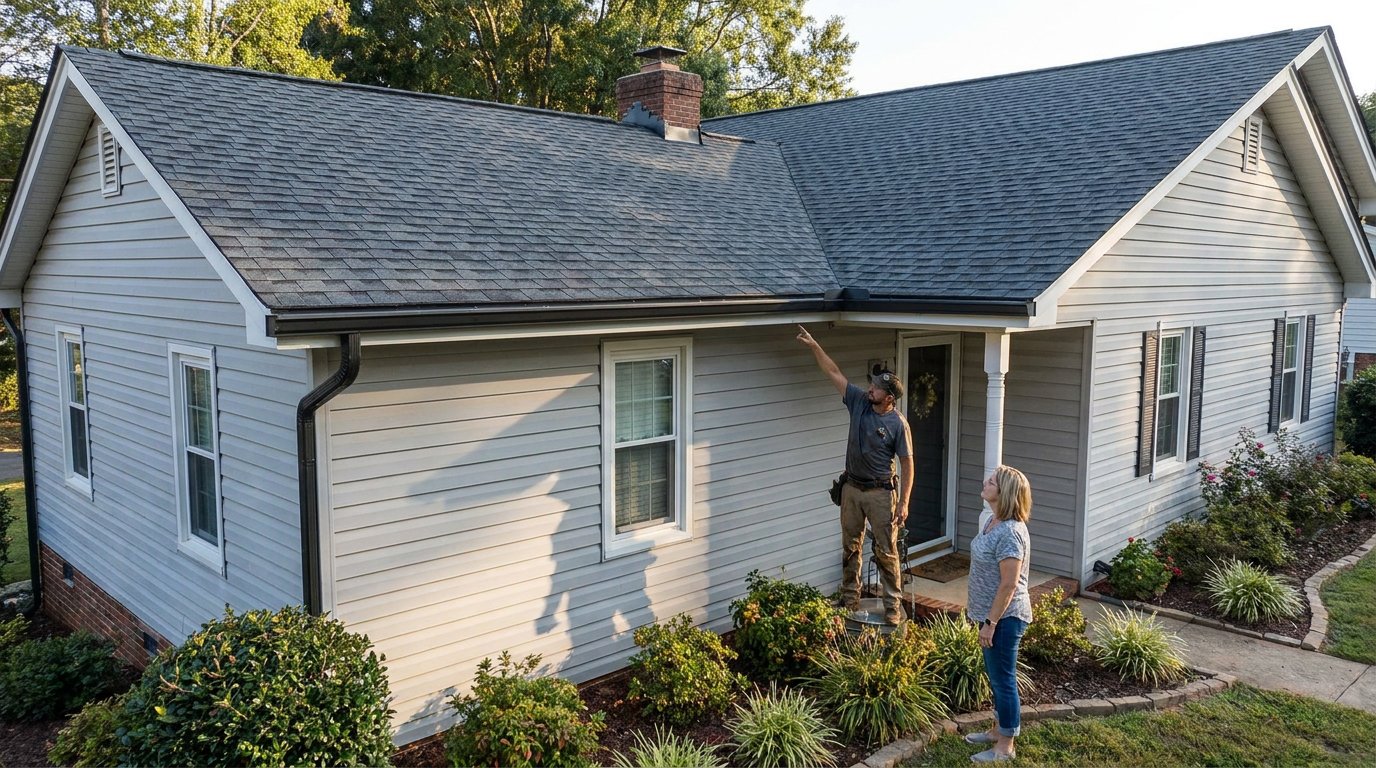
Reliable Roof & Gutter provides roof replacement for homeowners in Shelby who need a new roof and written workmanship coverage. Its roof replacement work includes a written 15-year workmanship warranty, which covers qualifying installation issues under its terms. A free inspection can help determine whether replacement fits your roof’s condition and what the project involves.
Reliable Roof & Gutter’s crews are GAF Certified Plus. This certification is distinct from the workmanship warranty, so review both the contractor’s written terms and any applicable manufacturer coverage. The documents explain which problems each warranty addresses and how to submit a claim.
If you’re considering roof replacement in Shelby, contact Reliable Roof & Gutter to discuss your roof.
Make your next roofing decision with clarity
Use what you have learned to set clear priorities for your next roofing project. A roof replacement with a workmanship warranty is easier to assess when the written terms match the work, explain the coverage, and provide a clear process for raising concerns. Keep those documents with your home records so they remain useful after the project.
Reliable Roof & Gutter handles roof replacement, metal roof installation, and metal roof repair. The right work depends on your roof’s condition and what you want the project to address. Take time to understand the proposed scope and warranty before moving forward.
For a straightforward conversation about your roof, contact Reliable Roof & Gutter. A clear next step can help you move ahead with confidence and a sound plan for your home.
Frequently Asked Questions
What is a roof warranty?
A roof warranty is a written agreement that describes which roof problems qualify for repair or replacement. For example, a material warranty may address defective shingles, while a workmanship warranty may address an installation error. Some system warranties cover specified components together. Review the covered causes, repair responsibilities, exclusions, and claim instructions to understand what protection applies to a particular roof problem.
Can You Accidentally Void Your Warranty Without Realizing It?
Yes. Work by another trade, roof alterations, or skipped maintenance can affect coverage if the warranty excludes damage caused by those actions. For example, adding equipment later may alter the roof or its flashing. Before arranging work on a covered roof, review the warranty conditions and contact the original installer. Keep maintenance and repair records so you can explain what changed if a problem develops.
Do I get actual proof that my warranty is active?
Your signed warranty or roofing contract is the key record of the workmanship coverage and its terms. Keep a copy with the final project documents, including the scope of work and material list. If the manufacturer requires warranty registration, retain the registration confirmation with those records too. These documents help identify the roof, the responsible parties, and the process for submitting a future claim.
How are Warranties Provided?
A contractor’s workmanship warranty should appear in a written document, such as the contract, a signed scope of work, or a signed letter. Read it alongside the material list and project scope. For example, make sure it identifies the work performed and explains how to report a suspected installation problem. Keep the signed copy with your other important home records.
How do I transfer the warranty if I sell my home?
Follow the transfer instructions in the warranty document and keep a record of each submitted form or notice. Before closing, give the buyer the warranty, roof contract, and available maintenance and repair records. If the warranty requires notice within a stated period, the seller and buyer should coordinate who submits it. A transfer is complete only as specified by the warranty terms.
What About Leaks?
The cause of a leak determines which coverage may apply. Water entering because of an installation error may qualify under workmanship terms, while storm damage is generally handled through insurance. Note where the leak appears and when you noticed it, then report it to the original installer if the roof is covered by that contractor’s warranty. The contractor can assess the cause and explain which corrective work the terms cover.

Article by
Jeff Walsh
Jeff Walsh is the owner of Reliable Roof & Gutter, serving homeowners across the Carolinas and East Tennessee. He stays hands-on with his crews and believes in honest inspections, clear pricing, and practical recommendations. Jeff’s approach is simple: explain what’s happening, what your options are, and whether a repair or replacement makes the most sense, without pressure or unnecessary work.